

Cultural differences between Spain & Australia
 • March, 06 2026
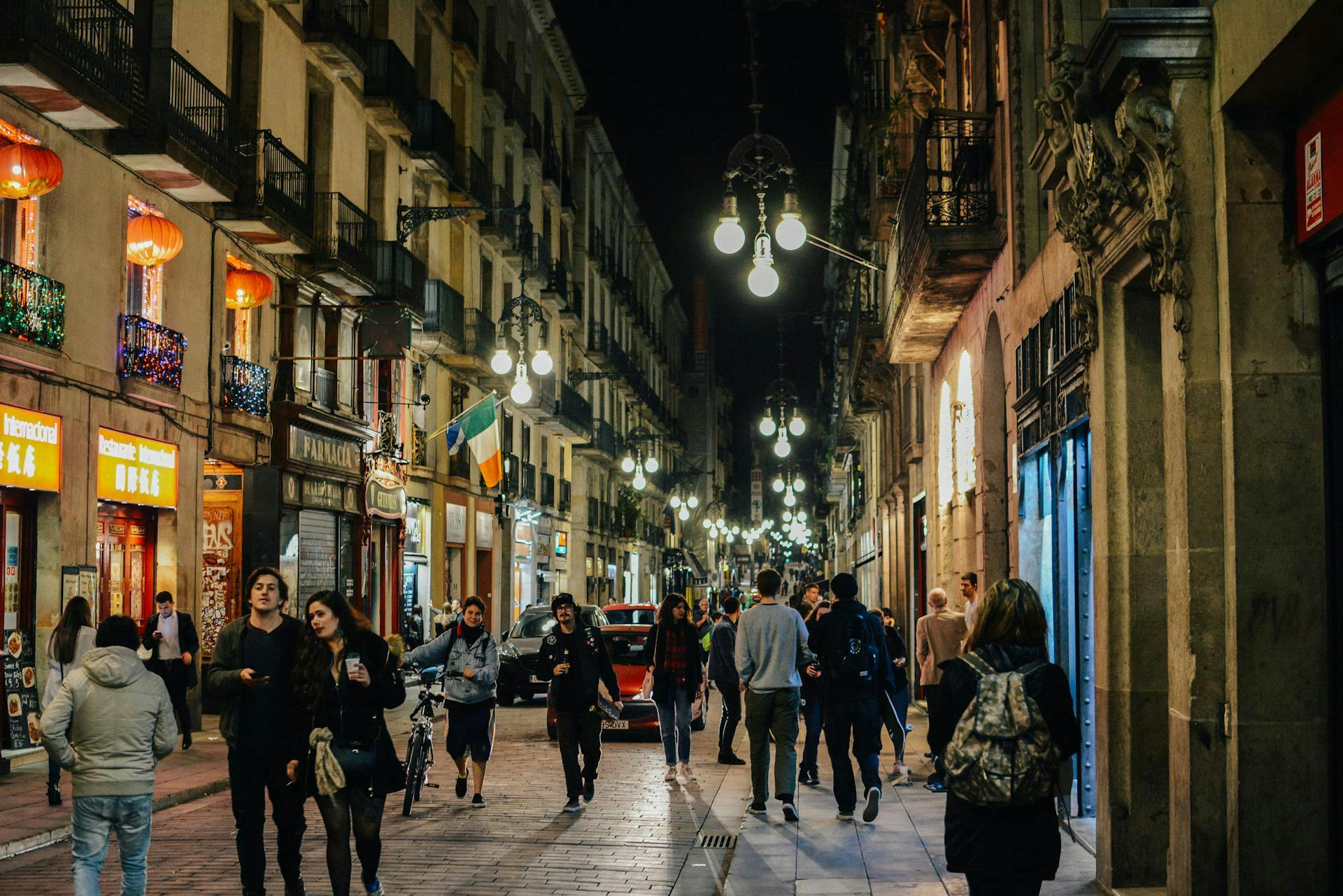
Spain’s an incredible country, as anyone who’s moved there will tell you. It’s the kind of place that will change your life. A move to Spain conjures up that famous line from Ronni Kahn, founder of the food rescue organization OzHarvest, who said…
“Who you think you are now has no bearing on who you could be.”
Are you thinking of moving to Spain from Australia? There’s no doubt this kind of big leap comes with a lot of questions and uncertainty. As one of Spain’s leading TEFL schools, at TEFL Iberia, we’re well-placed to give you clarity. For over a decade, we’ve been helping Aussies settle into a new life in Spain.
Here’s our guide to key cultural differences between Spain and Australia you need to know
Lifestyle
Spanish life is all about taking things slow and enjoying the moment. It’s slower-paced than most English-speaking cultures, including Australia, which, although pretty relaxed compared to England and the U.S., is still fairly fast-paced.
Spanish culture is also focused on social connection. This takes the form of long, languid lunches on terraces in the sunshine and warm summer evenings in buzzing town squares.
This laid-back lifestyle is reflected in work-life balance data. Australia ranks 33rd out of 41 on the work-life balance index, with a score of 4.5. Spain, by comparison, ranks 4th out of 41, with a score of 8.4.
There’s a flip side, with Spanish bureaucracy a big problem for those who aren’t used to this more ‘casual’ approach to life. So, when it comes to admin, like getting hold of a visa, it’s best to consult the experts.
Food
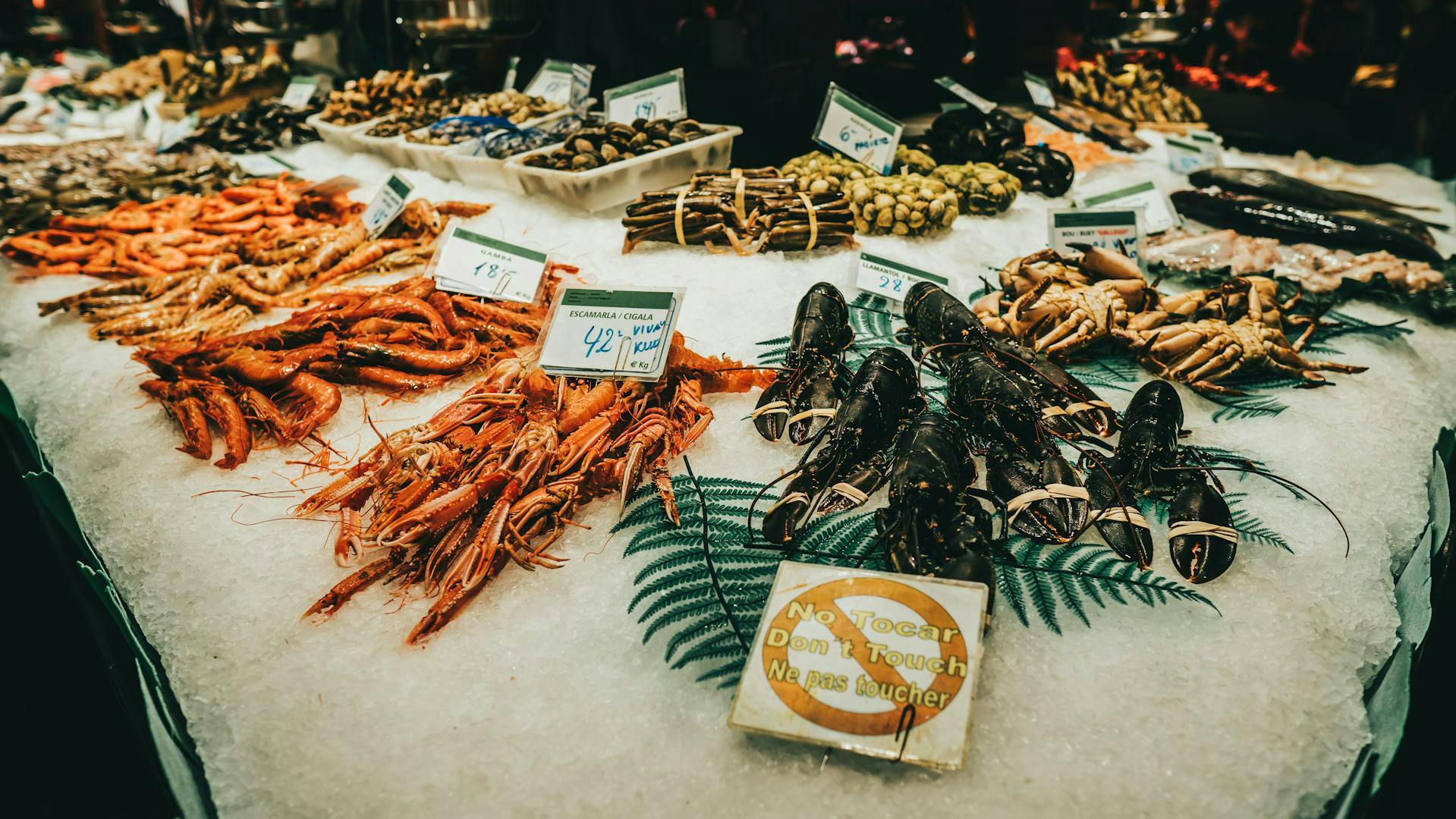
Meal times are a big cultural difference between Spain and Australia. In Spain, people normally eat lunch between 2pm and 3pm. Dinner is usually eaten around 9pm, and sometimes even as late as 10:30pm. As these are quite a bit later than Australians are used to, it can lead to a few issues when adapting to Spanish culture.
Most restaurants in Spain will only serve lunch after 1pm and dinner after 8pm. There are international restaurants that open earlier than these times, but they are the exception.
A large part of Australian culture revolves around backyard BBQs and fast food, although there are some amazing food scenes in some of the country’s bigger cities. Spain has stronger culinary roots, with an emphasis on fresh, home-cooked food and dining as a shared, social experience. What’s more, as the largest supplier of fresh fruit and vegetables in Europe, cheap, fresh ingredients are plentiful.
Family
One of the most unique things about Spanish culture, especially to those moving to Spain from Australia, the U.K., and the U.S., is how different generations socialise together. Life in Spain is very much focused on the family, with different age groups mixing in a lot more than they do in other countries such as Australia.
In Spain, if you go to a restaurant or bar in the evening, it’s common to see all types of people – families with young children, grandparents, couples, older groups of friends, all socialising in the same space. Even if you move to Spain on your own, this kind of family-based, community feeling gives you a sense of positivity.
Sports
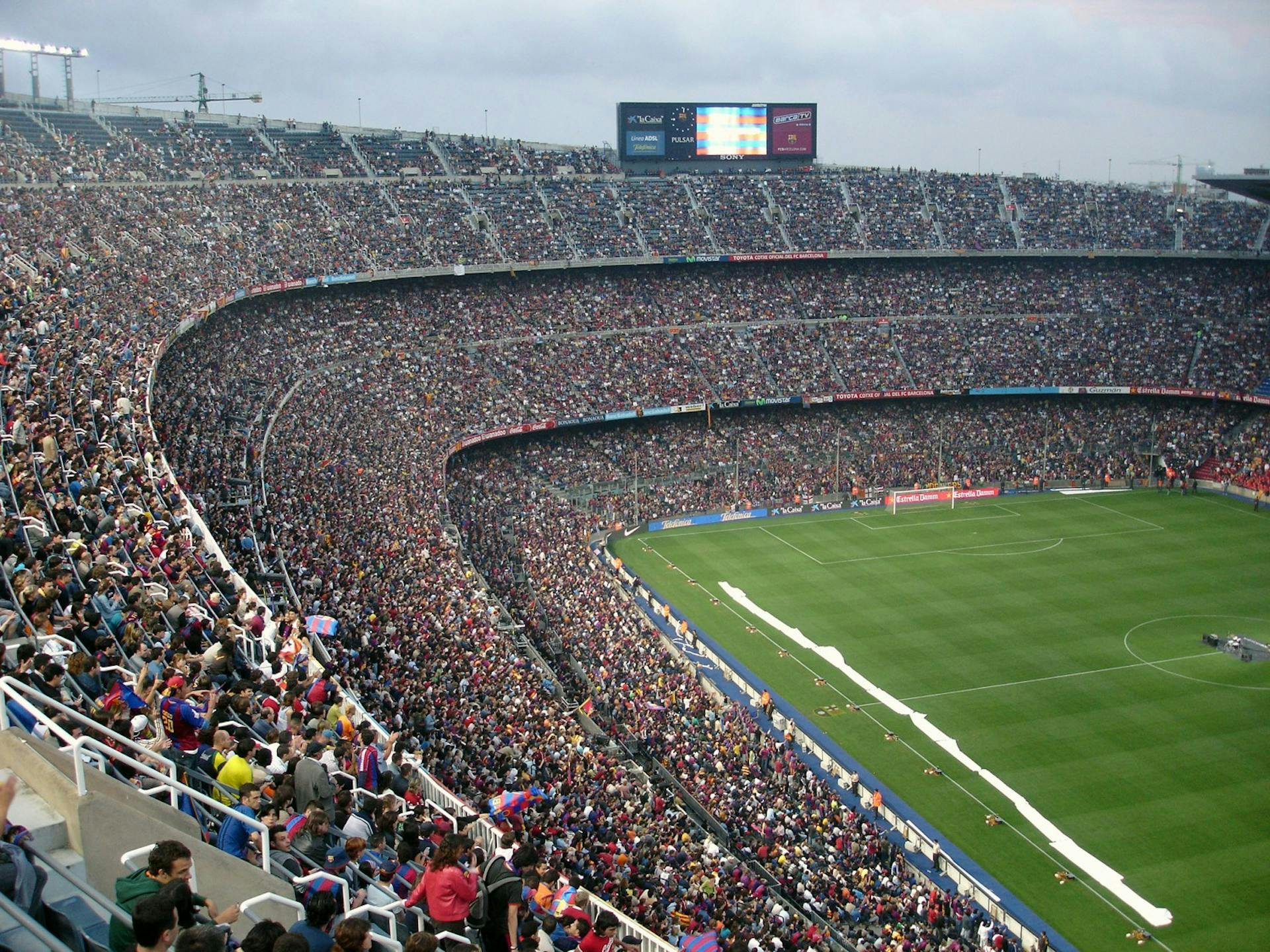
Australia’s sports culture is very diverse, with Aussie rules, cricket and rugby very popular.
In Spain, football is king. Especially if you live in Barcelona or Madrid. The beautiful game has a long history and for many, football is like a religion. And while La Liga might not enjoy the global attention of the days of Messi and Ronaldo, it’s still a massive deal, and few sporting experiences can match catching a game under the floodlights at Camp Nou or the Bernabeu.
Social greetings
Like other cultures that tend to greet people in a more formal way, Spanish greetings can take a bit of getting used to for Australians. The “dos besitos” greeting – two kisses, one on either cheek – can be a little strange, especially when you’re meeting someone for the first time.
But they aren’t actually kisses. A Spanish greeting is when you touch one cheek after another while making a little ‘kissing sound’. And once you’ve lived in Spain for a while, you start to appreciate this warmer way to greet someone.
The ‘siesta’
Australia follows the rigid nine-to-five structure that’s similar to the British and the Americans. In Spain, on the other hand, lots of shops and businesses close between 2pm and 5pm, then reopen until 8pm or later. This gives people the chance to savour a long lunch and, traditionally, take an afternoon siesta.
Spanish siesta culture might seem a little lazy to Australians. But after you’ve moved from Australia to Spain and lived in the country for a while, you’ll start to appreciate it. A siesta isn’t strictly about taking a nap; it’s just the idea of taking a little time to relax and recharge.
Many Spaniards do take a nap, though. And why not? Scientific studies have shown that a quick siesta can improve brain function. Turns out the Spanish were way ahead of everyone else!
Are you thinking of moving to Spain from Australia? Get in touch with us at TEFL Iberia.
Popular Posts
Living in Spain vs. Canada – what are the benefits?
Cultural differences between Spain & Australia
Gap year Spanish language immersion: what to expect?

Golden gap years in Europe: what are the benefits?


Subscribe To Our Mailing List!
Receive course updates, graduate reviews, exclusive discounts and more